Rope Twist Alphabet -D: A Craft Fair Embroidery Review
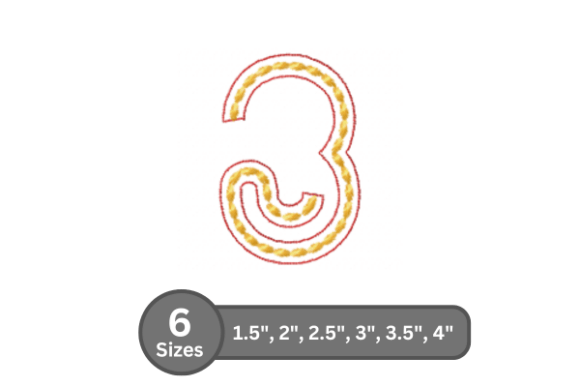
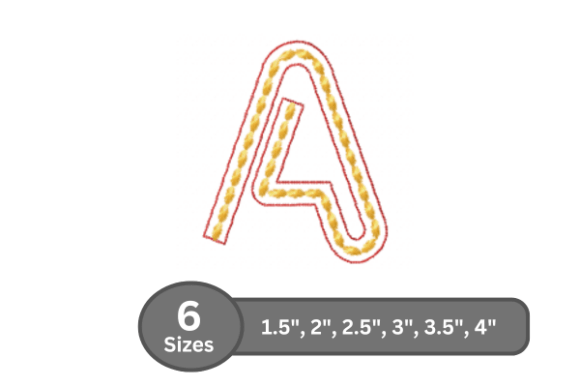
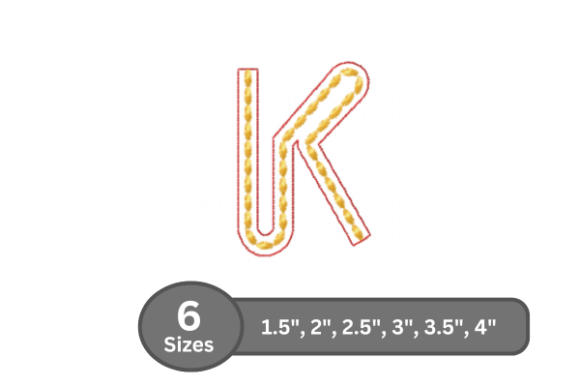
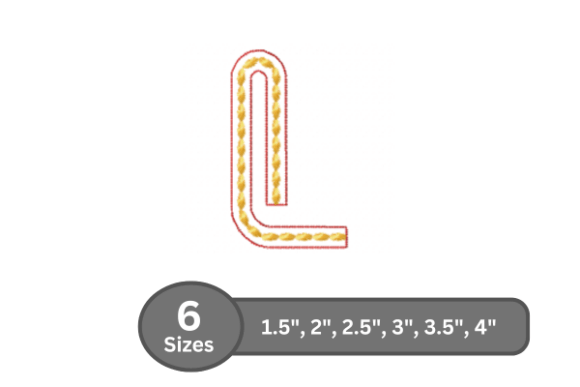
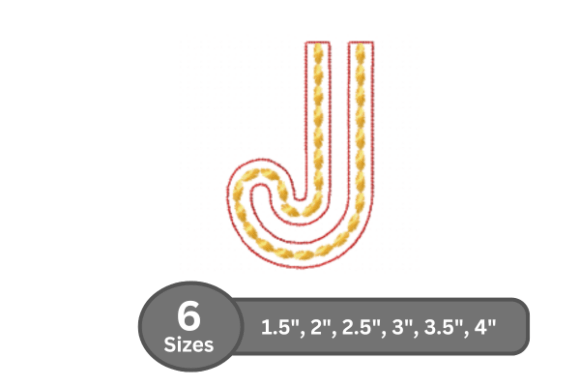
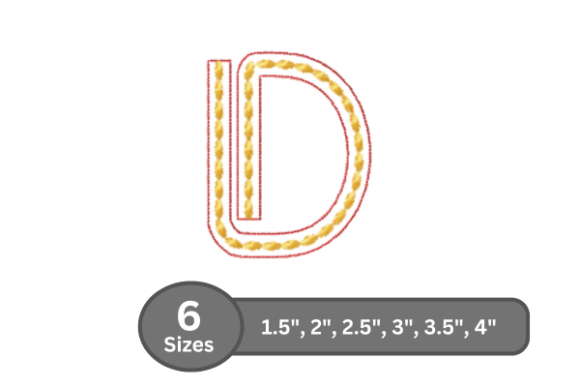
As an embroidery designer who spends every weekend from spring through fall at craft fairs and handmade markets, I have a sharp eye for what sells and what sits. When I first opened the file for this fill stitch embroidery font, I was struck by its personality. Rope Twist Alphabet -D is not a delicate script or a minimalist sans serif. It carries a bold, farmhouse-inspired character with a rustic yet premium feel. It looks like it belongs on a handcrafted tote bag at a coastal market or stitched across a linen apron at a fall harvest fair. The fill stitch construction gives it weight and presence, and the rope-like texture adds a tactile dimension that photographs well and catches the eye from across a booth.
Before I commit any machine embroidery design to production, I test it on samples that mirror what I sell. For Rope Twist Alphabet -D, I stitched it onto a cotton tote bag, a linen apron, a tea towel, a denim cap, and a small fabric pouch. Each sample told me something useful about where this embroidery file performs best and where it needs extra care. If you are a handmade product seller or an Etsy seller stocking a booth, here is what I want you to know before you load this design into your hoop.
First Impressions: Bold, Rustic, and Booth-Ready
Rope Twist Alphabet -D feels substantial. The twisted rope effect is not subtle—it is meant to be seen and felt. That makes it ideal for products where you want the letter to do the talking. Monograms using this alphabet carry a handmade, artisanal quality that customers at craft fairs gravitate toward. I tested it as a single initial on a market bag and as a three-letter monogram on a pillow cover. In both cases, the design held its shape and gave the product a finished, professional look. The fill stitch structure ensures that the letter does not look hollow or flimsy, even from a few feet away. That matters when you are trying to pull a browser into your booth.
This is not a font for tiny, delicate details. It is a font for presence. If you are embroidering items that need to stand out on a crowded table, Rope Twist Alphabet -D delivers. I would categorize it as modern farmhouse with a touch of coastal charm. It works equally well on neutral linen, dark denim, and bright cotton. The thread contrast really defines the rope twist, so choose your colors carefully.
How Rope Twist Alphabet -D Performs on Real Products
I ran this design through several product tests that reflect what I bring to a craft fair booth. Here is what I found:
- Tote bag design: On a medium-weight cotton tote, Rope Twist Alphabet -D stitched cleanly with no puckering. The fill stitch coverage was even, and the rope texture was visible without being overpowering. This is a strong candidate for personalized market bags.
- Apron embroidery: On a linen apron, the design sat nicely across the chest panel. The weight of the fill stitch balanced the fabric well. I suggest using a medium hoop size and a cutaway stabilizer to keep the letter crisp.
- Tea towel embroidery: Tea towels can be tricky because of fabric texture and weave. Rope Twist Alphabet -D handled the slight grain of linen blend towels well. I would keep the design to a single initial or short word to avoid density issues on lighter fabric.
- Embroidered patch: I stitched this design onto twill fabric and cut it into a patch shape. The rope twist effect gave the patch a dimensional, almost embossed look. Patches with this design would sell well as standalone booth items or as add-ons for customers who want to personalize jackets and bags.
- Cap embroidery: On a structured cap front, I had to adjust the design size slightly to fit the curved surface. The fill stitch handled the curve well, but I recommend testing on a scrap cap first. The rope texture can look compressed on a tight curve, so check your stitch density before stitching the final product.
- Fabric pouches and pillow covers: Small pouches and pillow covers are excellent candidates for this design. The bold letter fills the space nicely and gives a high-end feel. A monogrammed pillow cover with Rope Twist Alphabet -D makes a giftable handmade item that appeals to customers looking for personalized home decor.
Selling and Production Points for Craft Fair Sellers
One of the first questions I ask about any embroidery file is whether it is practical for batch production. Rope Twist Alphabet -D passes that test. The design is straightforward to set up, and once you have your stabilizer and thread colors dialed in, you can repeat it across multiple products with consistent results. That consistency is key for any small shop product line. If you offer personalized monograms at your booth, this alphabet will become a reliable workhorse.
The design also photographs well for online listings. The rope twist texture creates subtle shadows that show up clearly in product photos. If you are an Etsy seller or a digital seller, this is a big advantage. A well-photographed tote bag with a monogrammed initial can be your best listing image. I also recommend creating a printable mockup of the design on a product photo so customers can visualize the finished piece. Having a mockup ready for your booth or online shop adds professionalism and helps customers commit to a purchase.
From a brand consistency standpoint, Rope Twist Alphabet -D has a distinct voice. If you build a product line around this design, customers will recognize your work. That repeatability builds trust and encourages return buyers. For boutique makers and creative entrepreneurs, this alphabet gives you a signature look that stands out in a sea of generic monograms.
Careful-Use Notes: What to Watch For
No embroidery design is perfect for every application, and Rope Twist Alphabet -D has a few considerations worth noting. The fill stitch is dense, and that density can cause issues on certain fabrics if you do not prepare properly. Here are the points I flag for my own production:
- Dense stitch areas: The rope twist effect requires a fair amount of stitches to create the twisted look. On thick fabric like canvas or denim, this is fine. On very lightweight fabric, the density can cause puckering or distortion. Test on a scrap piece of your chosen fabric before stitching the final product.
- Tiny details and small lettering: Rope Twist Alphabet -D is not designed for tiny letters. If you try to stitch it at a very small size, the rope texture can become muddy and lose clarity. I recommend keeping the design at a moderate to large size so the twist effect remains visible and clean.
- Textured towels: Tea towels and kitchen towels with a textured weave can absorb the stitch density unevenly. Use a topper or a water-soluble stabilizer on top of the towel to keep the stitches from sinking into the fabric. This is standard practice for any towel embroidery, but it is especially important here because the fill stitch needs a clean surface to maintain its shape.
- Curved cap surfaces: As I mentioned earlier, caps require careful hoop positioning and sometimes a size adjustment. The fill stitch can compress on a tight curve, so stitch a test sample on a cap form before you take orders.
- Dark fabric: On dark fabrics, make sure your thread contrast is high enough that the rope twist is visible. A dark gray or navy thread on a black bag will lose the texture. Light cream, gold, or bright white thread on dark fabric shows the rope effect beautifully.
Visual Appeal, Customer Attention, and Booth Display
At a craft fair, you have seconds to catch a customer's attention. Rope Twist Alphabet -D does that work for you. The bold, dimensional look of the rope twist reads as quality. Customers associate handcrafted details with higher value, and a monogrammed product with this design feels substantial. I display my embroidered tote bags facing outward on the booth table, and the rope twist letter draws people in. They want to touch the stitching and feel the texture. That tactile engagement often leads to a conversation and a sale.
The design also works well on giftable handmade items. A monogrammed tea towel set in a simple gift wrap sells itself. A pillow cover with a bold initial becomes a statement piece. If you are a handmade shop owner looking to expand your product line, adding Rope Twist Alphabet -D to your embroidery file collection gives you a quick way to create personalized inventory that feels cohesive and intentional.
Practical Embroidery Designer Notes Before You Produce
Before you load this machine embroidery design into your machine and start stitching products for your next craft fair, run through this checklist:
- Test on scrap fabric: Always test a new design on a piece of fabric similar to your final product. Check for stitch density, thread tension, and overall appearance. Adjust your stabilizer if needed.
- Check thread contrast: The rope twist effect depends on thread contrast to be visible. Test a few thread color combinations on your chosen fabric and pick the one that makes the texture pop.
- Review spacing and sizing: Rope Twist Alphabet -D works best at a size where the twist detail is clear. If you are doing a multi-letter monogram, check the spacing between letters to avoid overlapping stitch areas.
- Confirm hoop size: Make sure the design fits within your hoop before you commit. Some fill stitch designs require a larger hoop than expected, especially if you are stitching a three-letter monogram. Measure twice, hoop once.
- Inspect stitch density: If the design feels heavy or overly dense for your fabric, consider adjusting the size or choosing a different stabilizer. A medium-weight cutaway stabilizer is usually my go-to for fill stitch designs like this.
- Create at least one real mockup: Stitch one complete product and photograph it. Use that photo for your booth display, your Etsy listings, and your social media. A real mockup sells the idea to customers better than a digital preview alone.
- Compare fabric colors: The same thread color can look completely different on cream linen versus navy canvas. Stitch small swatches on your fabric options and compare them side by side before you decide on your product lineup.
- Confirm commercial licensing: Before you sell finished products featuring any embroidery file, confirm the licensing terms. Most digital embroidery files allow you to sell the finished product, but you need to verify that you are not violating the designer's terms. This is a standard step for any commercial embroidery work, and it protects both you and the designer.
Final Thoughts on Rope Twist Alphabet -D for Your Craft Fair Booth
Rope Twist Alphabet -D is a strong addition to any embroidery designer's digital file collection. It has the visual weight to command attention on a booth table, the repeatability for batch production, and the handmade appeal that drives sales at craft fairs and handmade markets. Whether you are stitching monogrammed tote bags for a weekend market, creating embroidered patches for a boutique line, or building an Etsy shop around personalized home goods, this alphabet delivers professional results that customers notice and purchase. The rope twist texture gives your products a distinct look that separates your work from mass-produced alternatives. With proper testing, careful stabilizer choice, and attention to sizing, Rope Twist Alphabet -D can become one of the most versatile design assets in your embroidery library. Take the time to test it on your specific products, and I think you will find it earns a permanent spot in your craft fair rotation.