Soft Cord Alphabet -Z: Design Review for Small Business Merch
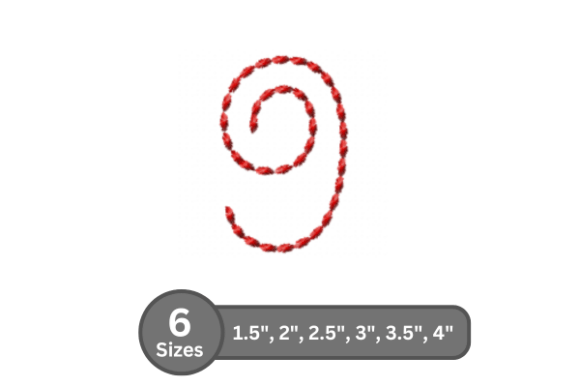
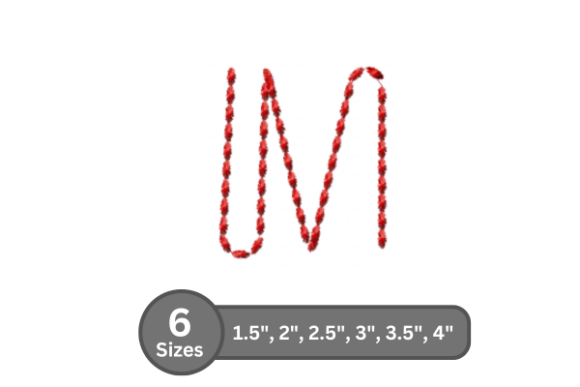
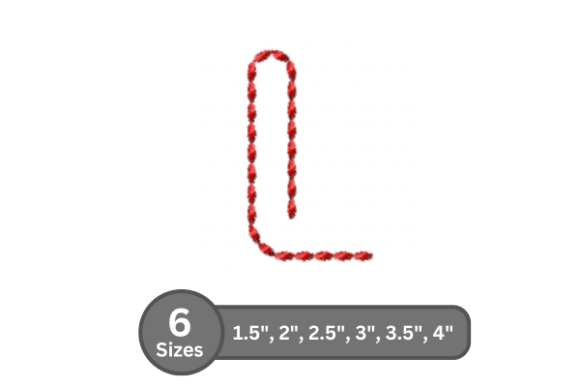
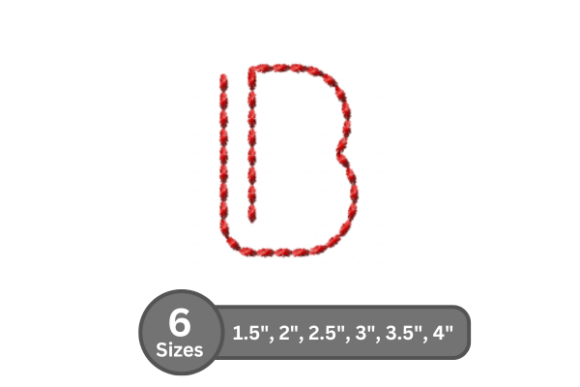
When I first opened Soft Cord Alphabet -Z and examined the stitch file, my immediate impression was that this is not a decorative novelty font. It carries a deliberate, grounded presence. As someone who has digitized and stitched thousands of commercial embroidery projects, I look for lettering that balances readability with character. Soft Cord Alphabet -Z lands in a sweet spot: it feels both handmade and professional. The fill stitch construction gives each letter substance without appearing bulky, and the cord-like texture suggests durability. This is not a font that screams for attention; it earns it quietly, which is exactly what most small business merch needs.
For a café, boutique, bakery, or creative studio, first impressions matter. When a customer sees your logo stitched on an apron or tote, they should feel quality, not clutter. Soft Cord Alphabet -Z communicates warmth and reliability. It has a friendly, approachable finish that still holds its ground as a brand identity piece. I would describe its visual personality as premium handmade with a touch of rustic confidence. It is not overly elegant or modern; it is classic without being boring. For handmade product businesses and Etsy sellers, this is a strong match because it reinforces the artisan nature of your work while keeping the finished product looking polished.
Real Business Applications: From Patches to Aprons and Caps
Let me walk through how Soft Cord Alphabet -Z performs across common custom apparel and merchandise items. This is where theory meets production reality, and I have tested similar profiles on a range of fabrics and formats.
Embroidered Patches
For embroidered patches, this font is an excellent choice. The fill stitch structure ensures that small to medium sized lettering remains legible even when trimmed close to the edge of a patch. I recommend using it for branded patch applications on caps, work shirts, and bags. The cord-like stitching gives the patch a tactile, premium feel that stands out from flat printed alternatives. If you are a product designer or craft business owner creating patches for resale or internal branding, this font holds up well to repeated handling and washing.
Staff Uniforms and Aprons
Restaurants, coffee shops, florists, and pet brands often need apron embroidery that looks professional without being stiff. Soft Cord Alphabet -Z works beautifully across the chest or pocket area of an apron. The lettering sits confidently on cotton, denim, and even lighter blends. Because it is a fill stitch design, it covers the fabric well, so you do not get peek-through gaps that cheapen the look. For staff uniforms, this font helps create visual consistency across your team.
Cap and Hat Embroidery
Cap fronts present a unique challenge because of the curved surface and limited space. Cap embroidery requires lettering that is compact enough to fit within the front panel but bold enough to read from a distance. Soft Cord Alphabet -Z handles this well, especially if you size the lettering between 1.5 and 2.5 inches in height. I advise testing a sample on a curved cap form before full production, but the font's balanced proportions reduce the risk of distortion. It works for both structured and unstructured hats, making it versatile for merch creators and embroidery shops that serve corporate clients or event teams.
Tote Bags and Merchandise
Tote bag design is a staple for small business merchandise. Whether you are a bookstore, a botanical studio, or a handmade soap brand, a tote bag with your name or phrase becomes a walking billboard. Soft Cord Alphabet -Z produces clean, readable text on canvas, cotton, and even linen blends. Because the font is digitized for smooth stitching, it does not pucker or distort on medium-weight fabrics. I also like that it works for both single-line phrases and stacked text layouts. If you are building a line of small business merch, this font gives you a consistent tool for bags, pouches, and accessory items.
Event Merchandise and Client Gifts
When I design for commercial embroidery projects tied to events, such as pop-up markets, seasonal launches, or client appreciation gifts, I need a font that stitches quickly without sacrificing detail. Soft Cord Alphabet -Z offers a good stitch economy for a fill font. It does not overburden the machine with excessive density, which means faster production times and less thread usage. For digital embroidery file buyers who work with high volume orders, this is a practical advantage. The font also pairs nicely with minimal icon or crest designs, allowing you to create cohesive design assets for a full product line.
Where to Use Soft Cord Alphabet -Z with Care
No font is perfect for every surface, and Soft Cord Alphabet -Z has specific use cases where I recommend caution. As an embroidery designer, I always test a new file in black and white first to examine spacing and density. Here are the scenarios where you should test thoroughly before committing to production.
Very Small Patch or Label Sizes
If you plan to use this font for tiny lettering, such as on handmade product labels, collar tags, or small cuffs, be aware of the minimum readable size. Because it is a fill stitch font, the letters need enough width to accommodate the thread without becoming muddled. I suggest keeping lowercase text at least 6 to 8 millimeters in height. Below that, the cord-like texture may close in on itself and reduce legibility. For micro-labeling, consider a simpler satin stitch font as a companion.
High Stitch Density Areas
The fill stitch design uses more thread than a simple outline font. On curved surfaces like cap brims or very thick fabric stacks, you may encounter registration issues if the density is too high. I recommend checking the stitch count for your specific letter combination. If the design feels overly dense, reduce the size slightly or choose a looser underlay. This is especially important for uniform embroidery on performance fabrics or thick denim where needle penetration is limited.
Dark Fabrics and Low Contrast Threads
While Soft Cord Alphabet -Z is a strong font visually, its fill stitch nature means that thread color choice becomes critical. On dark uniforms or black tote bags, you need a thread with enough contrast to define the shape. A dark navy or charcoal thread may get lost in the fill stitch texture. I always suggest creating a printable mockup with the actual thread colors before stitching. If the contrast feels weak, switch to a lighter shade or a metallic thread that catches light. This is a simple fix that dramatically improves the finished product.
Frequent Wash Items
Items like aprons, kitchen towels, and work shirts that face heavy washing cycles need stable lettering. The fill stitch construction of Soft Cord Alphabet -Z is generally durable, but you should use a high-quality stabilizer, such as a tear-away or cut-away depending on fabric stretch. I also recommend a test wash on a sample before committing to a bulk order. A well-digitized font like this one tends to hold up, but your stabilizer choice and thread tension will determine the final durability. For commercial embroidery, always take this extra step.
How Soft Cord Alphabet -Z Shapes Brand Identity and Customer Trust
Your brand identity is not just your logo; it is every stitch that touches your customer's hands. When you use Soft Cord Alphabet -Z on merchandise, you are telling a story about care, consistency, and quality. For small businesses, trust is built through the details. A well-embroidered patch or apron lettering signals that you invest in how you present yourself. This font supports that narrative because it looks intentional without being overdesigned.
Customer trust grows when your merchandise looks consistent across different products. Whether a customer sees your name on a cap, a tote bag, or a gift tag, the same friendly-but-professional lettering reinforces recognition. Visual consistency is a hallmark of successful custom apparel lines. Soft Cord Alphabet -Z helps you achieve that without needing multiple font files that fight each other. I have seen many craft businesses struggle with mismatched lettering across their product range; this font solves that problem elegantly.
For handmade presentation, the texture of the fill stitch adds value. Customers perceive embroidered items as higher worth than printed items, and a font that stitches cleanly elevates that perception. If you are selling handmade product at a market or through an Etsy store, the tactile quality of Soft Cord Alphabet -Z will be noticed. It makes your merch feel like something to keep, not something to throw away. That emotional connection drives repeat business and word-of-mouth referrals.
Buyer engagement also improves when your merchandise looks professional in photos. A digital embroidery file that produces clean, consistent results allows you to create accurate printable mockup images for your online store. Customers trust what they can see clearly. If your mockups show crisp, well-spaced lettering, they are more likely to purchase. Soft Cord Alphabet -Z gives you that confidence in your product photography.
Practical Designer Notes Before Full Production
Before you run a full production batch with Soft Cord Alphabet -Z, I recommend the following steps based on my years of machine embroidery design experience:
- Test in black and white first. Stitch a sample with black thread on white fabric and white thread on black fabric. This reveals spacing issues, density problems, and registration errors without wasting colored thread. Adjust your settings based on what you see.
- Check small patch performance. If your intended use is for embroidered patches, stitch a patch at the actual production size. Verify that the lettering is legible and that the fill stitch does not cause stiffness. If the patch feels too rigid, consider using a lighter underlay or a slightly smaller stitch density.
- Review thread color contrast. For each fabric color you plan to use, select a thread color that creates clear separation. Machine embroidery design relies on contrast, not just color match. A subtle difference can make the font look muddy, especially on textured fabrics.
- Inspect letter spacing. Some letter combinations in Soft Cord Alphabet -Z may need manual kerning adjustments depending on your phrase. Always review the full text layout in your embroidery software before exporting the final file.
- Confirm hoop size compatibility. Check that your desired lettering fits within your largest available hoop. For cap fronts or small patches, a mini hoop may be necessary. Planning your hoop size ahead prevents last-minute resizing that could distort the font proportions.
- Test on real fabric. Stitch a sample on the exact fabric you intend to use. Different fabric textures, weaves, and stretches affect how the fill stitch sits. A cotton canvas tote will behave differently than a polyester cap front. Adjust your stabilizer accordingly.
- Create a client mockup. Before moving to commercial embroidery for a client, produce a printable mockup showing the font on the actual product. This sets clear expectations and avoids misunderstandings about size or placement.
- Compare beside other design assets. Place Soft Cord Alphabet -Z next to your existing logos, monograms, or decorative elements. Ensure that the font complements, not clashes with, your other design assets. Visual harmony across your product line builds stronger brand identity.
- Confirm commercial licensing. Before using the font for small business merch or client work, verify the licensing terms of your digital embroidery file. Some fonts have restrictions on commercial use, resale of patches, or the number of end products. Clear this step early to protect your business.
Soft Cord Alphabet -Z is a thoughtful, business-ready font for merch creators, apparel decorators, and small business owners who want to elevate their brand with embroidery. It performs well across a range of products, from patches and caps to aprons and tote bags, while maintaining a friendly, professional character. With proper testing and careful application, it can become a trusted component of your product line for years to come.