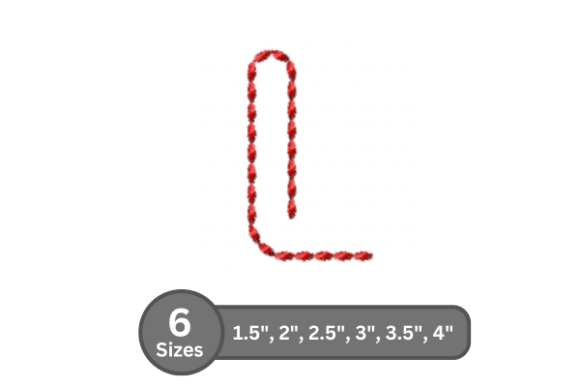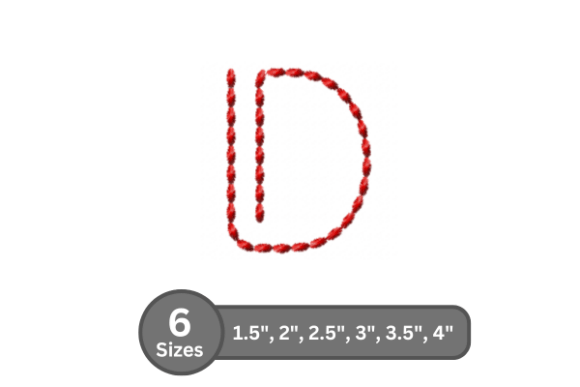
Soft Cord Alphabet -D Review for Personalized Gift Embroidery
When I unbox a new embroidery file for my shop, I look for more than pretty shapes. I need a font that stitches cleanly, sells itself to customers, and turns a simple towel or blanket into a keepsake. After running Soft Cord Alphabet -D through several test sew-outs and imagining it on real orders, I want to share a practical review from the perspective of someone who personalizes gifts daily. This fill stitch embroidery font promises smooth stitching and professional results for clothing, bags, towels, and more — and after testing, I can tell you exactly where it shines and where you should handle it with care.
First Impressions: Charm Meets Craftsmanship
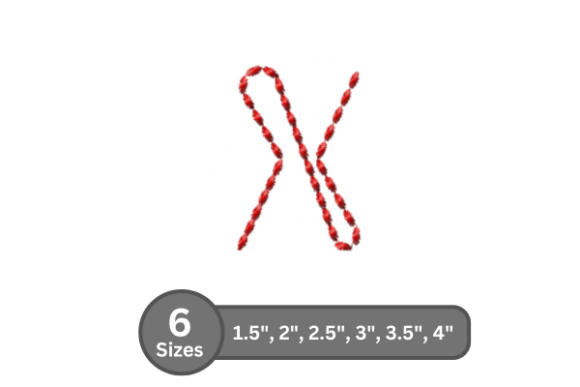
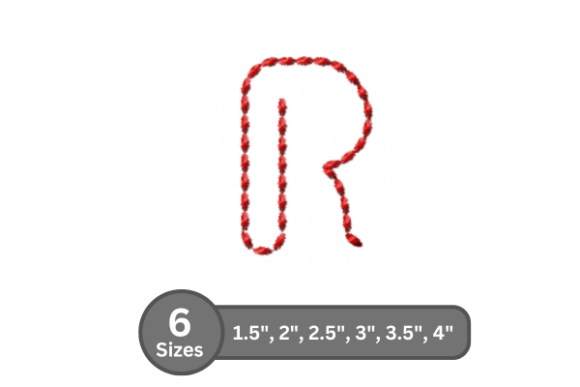
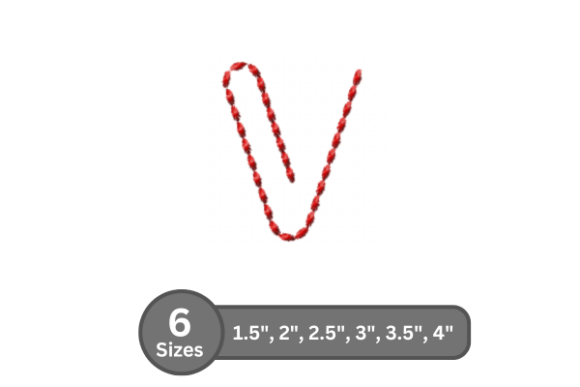
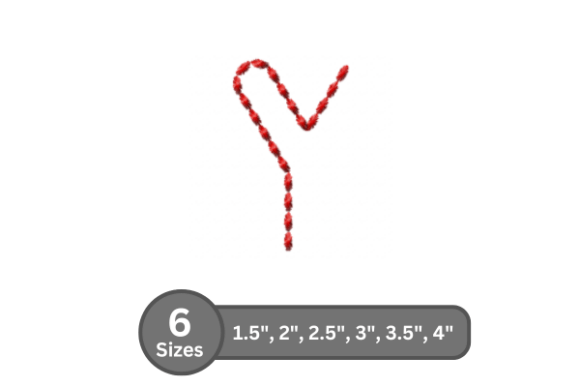
Opening Soft Cord Alphabet -D felt a bit like unboxing a carefully tied package from a friend who knows your taste. The letterforms carry a gentle, rounded softness that lands somewhere between playful and elegant. This is not a stark modern monogram nor a frilly script — it has a handcrafted warmth that immediately suggests homemade love. The fill stitch construction gives each character substance without feeling heavy, and the digitizing appears deliberate, with attention to how threads lay next to each other.
In the world of machine embroidery design, a font that looks sweet on screen can turn into a tangled mess on fabric. That is why I always test before offering a design to customers. My first test on medium-weight cotton proved encouraging. The stitching felt smooth, the fill maintained consistent density, and the outlines stayed crisp even at moderate sizing. For gift makers who serve clients looking for baby shower presents, wedding keepsakes, or everyday personalized items, Soft Cord Alphabet -D brings a versatile emotional appeal that bridges romantic, classic, and slightly playful moods.
Where Soft Cord Alphabet -D Excels for Gift Shops
I run a small shop that produces custom orders for local customers and Etsy seller clients who purchase digital files. After testing this font, I can see several product categories where it will perform beautifully and attract the right buyers.
- Baby embroidery: Onesies, burp cloths, receiving blankets, and nursery decor call for lettering that feels gentle. Soft Cord Alphabet -D offers a sweet, huggable quality that mothers and grandmothers love. The fill stitch gives enough coverage to read clearly from across a room, while the soft edges keep the design from looking too rigid for a newborn.
- Wedding gifts and anniversary items: For bridal party robes, ring bearer pillows, or custom kitchen towels for a couple’s first home, this font carries a romantic warmth. It pairs nicely with simple monograms and works well on linen and cotton blends.
- Personalized towels and linens: Kitchen towels, bath towels, and guest towels are staple items for any gift shop. Soft Cord Alphabet -D holds its shape on terry cloth when you use proper topping, and the fill stitch prevents the gaps that sometimes plague smaller script fonts on looped fabric.
- Pillow covers and blanket embroidery: Throw pillows and fleece blankets are popular custom order categories. The moderate stitch density of this font keeps the fabric from puckering excessively, even on slightly textured surfaces.
- Tote bags and aprons: For craft fair products and everyday personalized carriers, the font reads well on canvas and twill. The design feels handmade without looking amateur, which builds trust with buyers who want quality.
- Family keepsakes and nursery decor: Wall hangings, name signs, and celebration banners benefit from lettering that feels both modern and timeless. I would confidently use Soft Cord Alphabet -D for a child’s name in a nursery or a family monogram on a quilt.
When to Use This Font with Extra Care
No embroidery font works everywhere without adjustment. After testing Soft Cord Alphabet -D on several fabric types and sizes, I identified a few situations where you should slow down and test first.
- Very small lettering: If you scale the font below about 0.6 inches in height, the fill stitch areas become narrow and some detail may blur. For small monograms on cuffs or collars, consider whether the stitch density remains readable. Always run a test on scrap fabric before stitching a customer order.
- Delicate or lightweight fabrics: Sheer cotton, fine lawn, or thin jersey may require a lightweight cutaway stabilizer and careful tension adjustment. The fill stitch can pull on delicate grounds if the hooping is not secure.
- Thick or textured fabrics: Terry cloth, thick fleece, and heavy sweaters create challenges for any embroidery file. Use a water-soluble topping and a medium-weight cutaway stabilizer to keep the fill from sinking. I found that testing on a scrap piece of towel saved me from disappointing a client later.
- Stretchy baby clothes: Onesies and stretchy knits demand extra stabilizer and possibly a fusible backing. The font performed reasonably well on stable knits, but I recommend a test stitch on the exact fabric type you intend to sell.
- Curved surfaces: Hats, cuffs, and curved pillow edges require careful placement and possibly a smaller hoop size. Confirm that the design fits within the hoop and that the curve does not distort the letter spacing.
- Dark fabric and high-contrast thread colors: Light thread on dark fabric can cause the fill stitches to appear less dense if the underlay is not adequate. Test a contrasting color combination before committing to production.
- Frequent wash items: Products like dish towels and baby blankets that see heavy washing need a well-secured design. I advise using a high-quality cutaway stabilizer and checking for any loose threads after the first wash test.
How Soft Cord Alphabet -D Elevates Giftability and Customer Trust
When a buyer orders a personalized product, they are purchasing an emotional experience as much as a physical item. Soft Cord Alphabet -D contributes to that experience in several meaningful ways.
- Perceived value: The fill stitch construction gives each letter a plush, substantial appearance. Customers see that the embroidery is not skimpy or open. This builds confidence that they are receiving a handmade product with care behind it.
- Emotional connection: The soft, approachable letterforms feel personal without being overly decorative. A monogram in this font on a baby blanket or wedding towel communicates thoughtfulness.
- Product photography appeal: For Etsy seller listings and social media, the font photographs well. The fill stitches catch light evenly, making mockups look clean and professional. I generate printable mockup images for my shop listings, and this font renders nicely even at listing thumbnail sizes.
- Buyer engagement: When customers browse your shop, clear, attractive embroidery samples keep them scrolling. A font that looks trustworthy encourages more custom order inquiries and reduces hesitation about quality.
Practical Embroidery Notes from My Test Run
Before you add Soft Cord Alphabet -D to your production lineup, take these steps to ensure consistent results for every customer.
- Test on scrap fabric first: Use the same fabric type and weight you plan to sell. Check stitch quality, density, and thread breaks before offering the design to a paying client.
- Check thread color contrast: Light thread on dark fabric can expose gaps. Dark thread on light fabric tends to look fuller. Run a contrast test with your most popular thread colors.
- Confirm hoop size: Measure the longest name or monogram you will stitch. Ensure it fits within your available hoop dimensions. This font fills well, but a too-small hoop can crowd the design.
- Review stitch density: While the digitizing appears well balanced, every machine behaves differently. If you see any puckering, adjust your stabilizer weight or reduce density slightly in your software.
- Use proper stabilizer: For towels and knits, use a cutaway stabilizer with a water-soluble topper. For stable wovens, a tearaway may work, but I always lean toward cutaway for items that will be washed repeatedly.
- Compare light and dark fabric mockups: Generate samples on both a light and a dark ground. This helps you advise customers on thread choices and sets realistic expectations for how the design will appear on different products.
- Check small details after stitching: Inspect every letter for skipped stitches, thread breaks, or distorted shapes. A single flawed letter in a name can ruin the gift.
- Confirm commercial licensing: Before selling finished products using this embroidery file, review the license terms from the designer or distributor. Some fonts permit commercial use, while others require an extended license. Verify this early so you can price your items correctly and avoid legal issues. If the product page does not specify terms, contact the seller directly.
Final Thoughts for Embroidery Makers and Small Shop Owners
Soft Cord Alphabet -D has earned a regular spot in my digital embroidery collection. Its warmth suits the gift market beautifully, from baby embroidery to wedding keepsakes and everyday personalized towels. The fill stitch construction delivers professional results when you test carefully, choose appropriate stabilizer, and respect the font’s limitations on tiny sizing or very textured fabrics.
For commercial embroidery shops, custom embroidery businesses, and small shop product creators, this font offers versatility that can streamline your workflow across multiple product lines. Whether you produce embroidered towel sets for bridal showers, blanket embroidery for new arrivals, or pillow cover monograms for home decor, this design helps you deliver the quality that builds repeat customers.
My favorite part of testing new embroidery files is imagining the moment a gift recipient opens a package and sees their name stitched with care. Soft Cord Alphabet -D helps you create that moment. Add it to your library, run your tests, and put it to work for the customers who trust you with their most meaningful gifts.