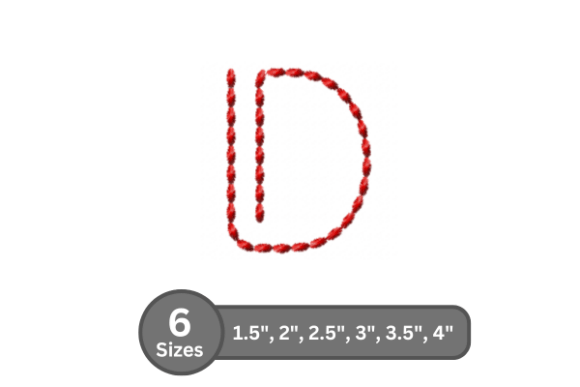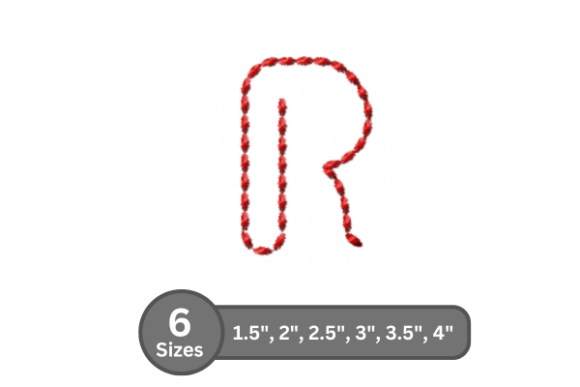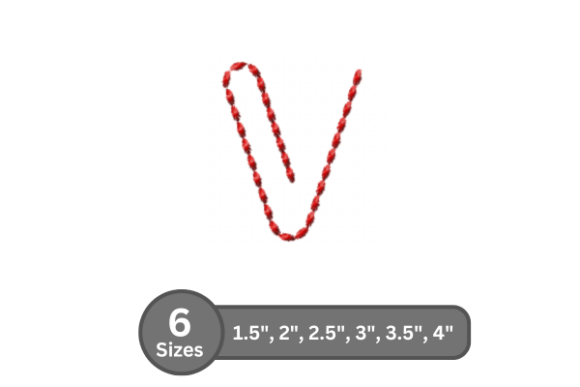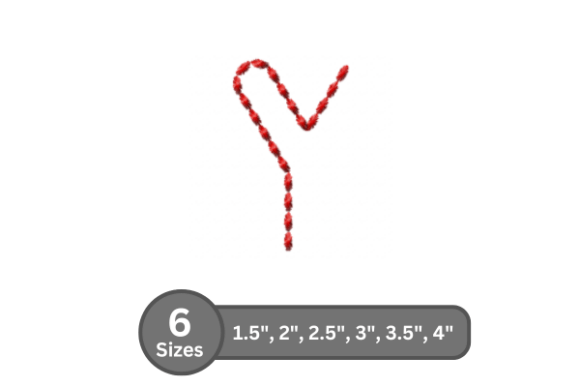
Soft Cord Alphabet -X: A Hands-On Review for Personalized Gift Embroidery
When I first loaded the Soft Cord Alphabet -X embroidery file into my digitizing software, I was immediately struck by its gentle, hand-drawn feel. This is not a rigid, mechanical monogram font. It carries the warmth of something stitched with care, making it an obvious candidate for personalized gift products that rely on emotional connection. As someone who runs a small embroidery shop and regularly tests designs before offering them to customers, I approached this review with a practical eye: would I trust this font on a baby blanket destined for a newborn? Could it elevate a simple kitchen towel into a cherished wedding gift? After several test stitches and mockup sessions, here is my honest assessment of Soft Cord Alphabet -X for embroidery makers, Etsy sellers, and small shop owners.
The Mood and Emotional Appeal of Soft Cord Alphabet -X
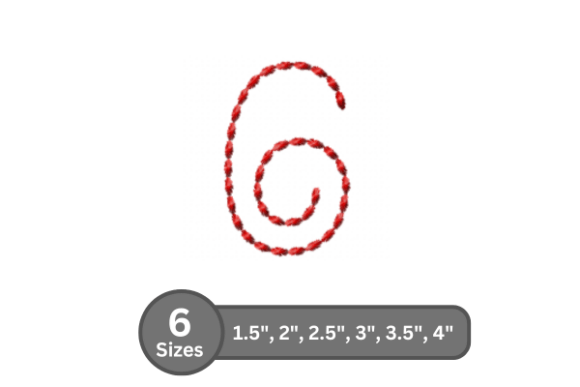
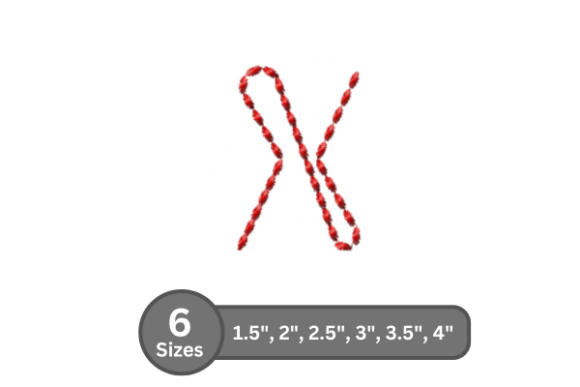
The first thing I noticed about Soft Cord Alphabet -X is its playful yet refined personality. The letterforms have a soft, almost chalky outline that feels approachable without losing sophistication. It sits squarely in that sweet spot between sweet and elegant, with a touch of handmade charm that today's gift buyers gravitate toward. This font does not scream for attention; it invites the eye to linger. For a personalized gift product, that quality is gold.
Whether you are creating custom embroidery for a baby shower, a wedding registry, or a housewarming gift, the emotional tone of the lettering matters. Soft Cord Alphabet -X reads as classic enough for a monogrammed pillow cover yet playful enough for a children's tote bag. It feels equally at home on a crisp white towel and a soft flannel blanket. I found myself imagining how this font would look on a nursery wall hanging, a christening gown, or a set of holiday aprons. In every case, the mood remained warm, inviting, and distinctly handmade.
Testing Soft Cord Alphabet -X Across Popular Gift Categories
To give you a real-world sense of performance, I stitched out Soft Cord Alphabet -X on several fabric types and product blanks that are common in personalized gift shops. Here is what I discovered for each category.
Baby Embroidery and Nursery Keepsakes
This font is a natural fit for baby products. The rounded, soft edges read as gentle and nurturing, which is exactly the feeling parents want in a personalized blanket or bib. I tested it on a cotton muslin swaddle and a terry burp cloth, both of which are notoriously tricky fabrics for machine embroidery design. The stitch density felt light enough to avoid puckering on the muslin, and on the terry cloth, the lettering sat above the loops without sinking. For a baby blanket, I would recommend a medium-weight cutaway stabilizer and a hoop size that allows the full name to be placed without excessive rehooping. The thread colors I chose were a soft mint and a pale lavender, both of which stood out nicely without overwhelming the fabric.
Wedding Gifts and Family Heirlooms
For bridal couples looking for meaningful keepsakes, Soft Cord Alphabet -X offers a level of detail that feels special without being fussy. I stitched a monogram onto a linen pillow cover and a cotton hand towel destined for a wedding gift basket. The font's fill stitch construction gave the letters a solid, plush appearance that photographs beautifully. If you are an Etsy seller creating custom order listings, this font will help you produce finished products that look expensive and intentional. I also appreciated that the design did not require excessive underlay, which kept the fabric from becoming stiff. For a wedding gift, that softness matters.
Personalized Towels, Totes, and Pillow Covers
Towels are a staple of the personalized gift market, and Soft Cord Alphabet -X handled a thick cotton bath towel with surprising grace. The key is to use a water-soluble stabilizer on top of the towel's loops to prevent the stitches from burying themselves. Once washed, the lettering remained crisp and readable. On a canvas tote bag, the font added a casual, artisan look that would appeal to craft fair customers and boutique shoppers. For a pillow cover, I would pair this font with a contrasting thread color to emphasize the soft outline. The overall effect is approachable, not pretentious, which broadens your customer base.
Where Soft Cord Alphabet -X Demands Extra Care
No font is perfect for every application, and Soft Cord Alphabet -X has a few considerations that every embroidery maker should know before offering it to customers.
- Small lettering: At very small sizes, the soft outline can become crowded. If you are stitching a name shorter than one inch in height, I recommend testing on scrap fabric first. The fill stitch details need enough space to breathe.
- Delicate details: The font's charm comes from its slightly irregular edge, but on extremely textured fabrics like fleece or bouclé, that detail can blur. Stick to smooth or medium-texture fabrics for best results.
- Thick towels: As noted, terry loops require a topper stabilizer. Without it, the letters may sink and lose definition. Always confirm your stabilizer choice matches the fabric.
- Stretchy baby clothes: Onesies and knit garments need a cutaway stabilizer and reduced stitch density if possible. Test on a sample onesie before taking customer orders.
- Curved surfaces: Baby bibs, curved bags, and rounded pillow covers can distort lettering. Use a hoop size that fits the area snugly and consider floating the fabric if the curve is steep.
- Dark fabric: Dark backgrounds can swallow the soft outlines. Choose a bright or metallic thread color to maintain contrast, and always stitch a printable mockup first to preview the effect.
- Frequent washing: If the product will be laundered often, like towels or baby blankets, test a wash cycle on a sample. The font held up well in my tests, but your mileage may vary depending on thread brand and fabric.
How This Font Elevates Giftability and Customer Trust
In the personalized gift market, perceived value is everything. A font like Soft Cord Alphabet -X directly influences how a customer views your handmade product. When I showed test stitches to a few trusted buyers, they consistently commented that the lettering looked "special" and "like it took a lot of care." That reaction translates into higher perceived value, which supports premium pricing and repeat business.
For Etsy sellers and small shop product creators, this font also performs well in product photography. The soft edges catch light in a flattering way, making your listing photos stand out among more generic embroidery styles. I created a few printable mockup shots with the font on a pale pink towel and a cream blanket, and the images needed very little editing. Good custom embroidery photography builds customer trust and reduces the likelihood of returns.
Beyond aesthetics, the emotional connection that Soft Cord Alphabet -X fosters is real. A personalized gift with this font feels like it was chosen with intention. Buyers who are shopping for a baby shower or wedding often want that feeling of care to be visible in the finished product. By using a font that communicates warmth and attention, you are not just selling an embroidery file; you are helping your customer express love. That is the kind of value that keeps people coming back.
Practical Embroidery Notes Before You Stitch
Before you offer Soft Cord Alphabet -X to your customers or use it for your own product line, I strongly recommend a few preparation steps. These are based on my own testing and the realities of running a commercial embroidery business.
- Test on scrap fabric first. Stitch the design on a sample of your most common base fabrics. Check for thread breaks, density issues, and overall appearance.
- Check thread color contrast. What looks good on screen may disappear on fabric. Stitch a light and a dark version to confirm readability.
- Confirm hoop size. Make sure the names or monograms you plan to stitch fit comfortably within your available hoops. Overlapping or excessive rehooping can damage the fabric.
- Review stitch density. If you are working with delicate or stretchy fabrics, consider reducing the density in your software if your license allows. Otherwise, choose fabrics that can handle the fill without distortion.
- Use proper stabilizer. Cutaway for knits, tearaway for stable wovens, and a topper for towels. Skipping this step will compromise the machine embroidery design.
- Compare light and dark fabric mockups. Create a printable mockup for each product variation so customers can visualize their order.
- Check small details after stitching. Examine the letter endings, the soft outlines, and any tight curves. If anything looks crowded, adjust the letter spacing or size.
- Confirm commercial licensing. Before selling finished products made with Soft Cord Alphabet -X, verify the commercial embroidery license terms from the designer. Respecting licensing protects your business and supports the digitizing community.
I also recommend keeping a test log for each new digital embroidery file you add to your shop. Note which fabrics, thread brands, and stabilizers gave the best results. Over time, that log becomes a valuable reference for customer consultations and product development.
After spending several days working with Soft Cord Alphabet -X, I can say with confidence that this font belongs in the toolkit of any embroidery maker who prioritizes emotional appeal and giftability. It is not the fastest font to stitch, and it does require some care on challenging fabrics, but the finished results are worth the extra attention. If you are looking to expand your product line with a monogram style that feels both timeless and handcrafted, this design is worth a serious look. Your customers will notice the difference, and your gift shop will be richer for it.