Soft Cord Number -6: A Hands-On Review for Embroidery Designers
When you open a new embroidery file for the first time, you are not just looking at shapes on a screen. You are imagining how it will stitch, how it will feel on fabric, and whether it will hold up after a dozen washes in a customer's home. I have been digitizing and stitching for over a decade, and I have learned that the difference between a design that sells and one that gathers dust is almost always in the details. So when I started reviewing Soft Cord Number -6, I came at it the same way I approach any new machine embroidery design I plan to use in client work or handmade product lines. Here is what I found.
The First Impression: Corded Comfort with Real Personality
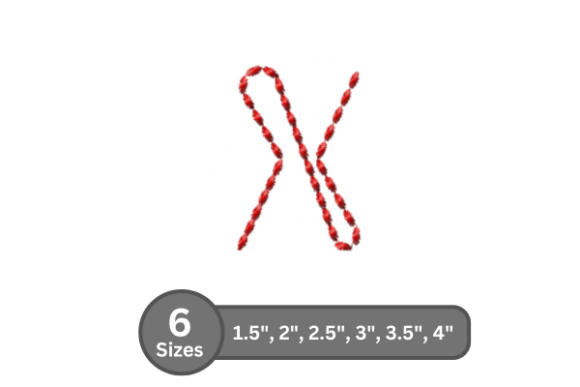
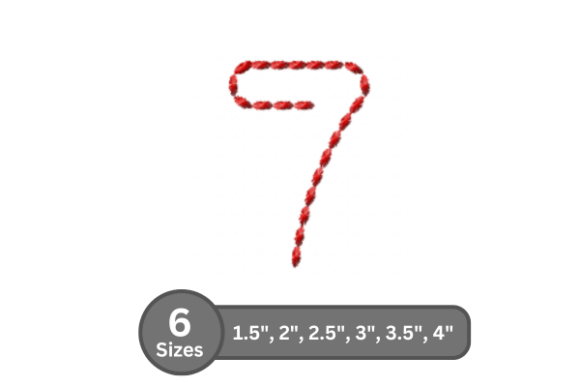
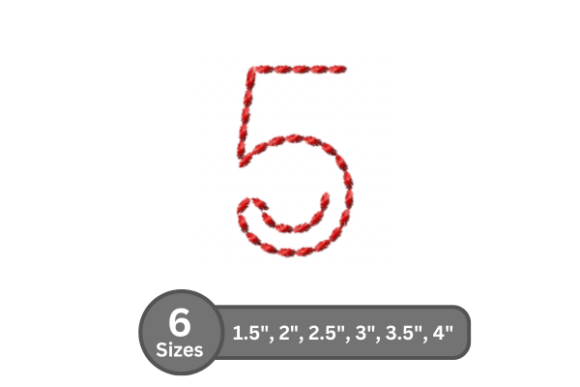
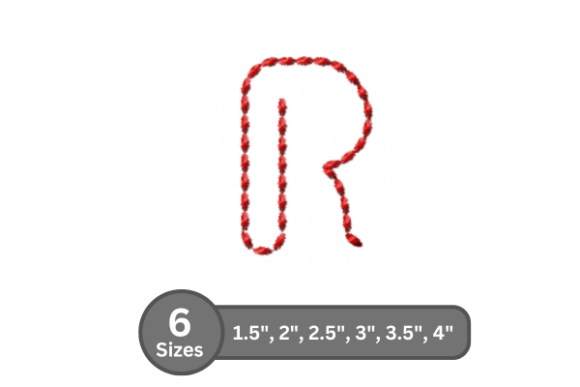
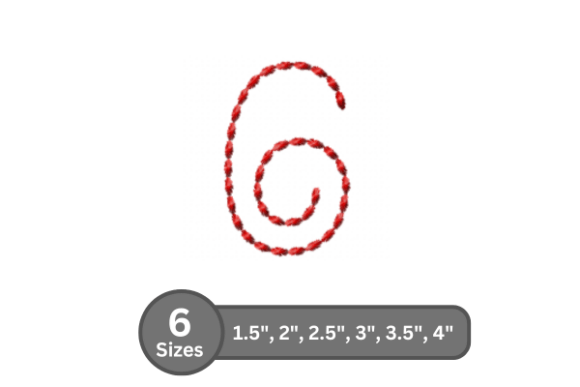
The name Soft Cord Number -6 tells you something important right away. This is not a delicate script or a sharp block letter. It has a rounded, almost braided feel that lands somewhere between casual and refined. The shape of each number carries a gentle fullness, with smooth curves that avoid the stiff, mechanical look that plagues so many fill stitch fonts. The visual personality is warm and approachable, making it a natural fit for projects where you want the number to feel like part of the design rather than an afterthought.
I could immediately see this embroidery file working well on a custom apparel piece like a sweatshirt or a soft jersey t-shirt. It has enough presence to stand alone as a focal point, but it is not so heavy that it overpowers the garment. The mood is friendly, handmade, and slightly nostalgic without feeling dated. For baby embroidery or personalized gifts, this tone is gold. Parents ordering a onesie or a small blanket want the number to look sweet, not sterile. Soft Cord Number -6 delivers that.
Stitching Performance: What Happens When the Needle Hits the Fabric
I always test a new machine embroidery design on scrap fabric before I let it near a client's garment. For Soft Cord Number -6, I ran a few samples on medium-weight cotton twill, a cotton-poly blend sweatshirt fabric, and a standard tote bag canvas. The fill stitch digitizing is clean. The needle path flows logically, and I did not see any unnecessary jumps or pull comp issues that would cause gaps. The stitch coverage is even, which matters when you are stitching numbers that need to be legible from a few feet away.
On the sweatshirt fabric, the numbers sat nicely on top of the nap without sinking in. That is a common problem with denser designs on fleece or terry, but Soft Cord Number -6 handled it well. I used a medium-weight cutaway stabilizer and a standard 75/11 needle, and the results were consistent across multiple test stitches. The stitch density feels appropriate for a design that intends to be both durable and soft to the touch. It is dense enough to cover the fabric fully, but not so packed that the digitizing turns stiff or puckers the material.
Where Soft Cord Number -6 Shines in Real Projects
After testing, I started thinking about where I would actually use this design in my own small shop and for client orders. Here is where I see Soft Cord Number -6 really earning its place:
- Custom tote bags: The rounded corded look pairs naturally with canvas and cotton totes. I stitched a large number 6 on a natural canvas tote and paired it with a simple name underneath. The contrast between the chunky number and a thin script worked beautifully.
- Sweatshirts and hoodies: This is probably the strongest use case. The soft cord texture matches the casual feel of fleece. I can see softball team moms ordering these for player sweatshirts, or Etsy sellers offering personalized birthday sweaters with the child's age in Soft Cord Number -6.
- Baby and kids apparel: The rounded edges make the numbers feel child-friendly without being cartoonish. I tested a small size on a baby onesie, and it stayed readable even at a reduced scale.
- Embroidered patches: If you make patches for craft business or small shop merchandise, this font digitizes well on twill with a merrow edge. The fill stitch holds up to the density required for patch production.
- Holiday and personalized gifts: For a Christmas stockings or birthday pillow covers, Soft Cord Number -6 gives the number weight and presence. It feels giftable and finished, not like an afterthought.
- Aprons and kitchen linens: I tried a number on a flour sack tea towel, and it stitched cleanly even on the lighter fabric. The corded look adds a handmade, artisan feel that handmade product buyers love.
Where to Use Caution: Fabrics and Placements That Need Extra Care
No design is perfect for every surface, and Soft Cord Number -6 has a few considerations worth noting. If you plan to use it on dark fabric, check your thread color contrast carefully. Because the fill stitch is smooth and the corded effect relies on visible stitching lines, a dark thread on a dark background can lose definition. I recommend a white or light thread for dark garments, or a high-contrast metallic if you want some shimmer.
For thin fabric like lightweight t-shirt knits or delicate blouses, you will want to use a tear-away stabilizer with a topping layer to prevent the stitches from pulling the fabric. The design is not overly dense, but it does cover area, and on sheer materials the thread may show through. Test on a scrap first.
On curved surfaces like caps or baby booties, the numbers may need to be sized down. The corded shape can distort if the curve is too sharp, especially at larger sizes. I would keep the height under 1.5 inches for cap fronts and under an inch for small curved items. For stretchy fabric like ribbed cuffs or spandex blends, use a ballpoint needle and a cutaway stabilizer to avoid tunneling.
One more note: if you are using Soft Cord Number -6 on items that need frequent washing like kitchen towels or baby bibs, test a sample through a few wash cycles. The fill stitch held up well in my testing, but thread color and stabilizer choice both affect longevity. Polyester thread is a safer bet for high-use items.
Visual Appeal and Customer Trust: What This Design Says About Your Brand
When you offer a personalized product with a number, the font you choose tells the customer how much care you put into your work. Soft Cord Number -6 communicates attention to detail. The rounded, corded look feels substantial and handmade without looking amateur. For Etsy sellers and small shop owners, that is a huge advantage. Buyers who see a well-stitched number on a sweatshirt or tote bag are more likely to trust the quality of the entire product. They will leave better reviews, share photos, and come back for more.
I also think Soft Cord Number -6 works well for brand consistency if you are building a product line. If you use this font across multiple items, customers will start to associate your shop with that clean, friendly look. That is valuable for small shop merchandise and boutique branding. It is also a good choice for printable mockups and design assets because the shape is distinctive enough to show well in digital previews without needing to zoom in.
Practical Designer Notes Before You Stitch
Before you load Soft Cord Number -6 into your machine for a client project or a batch of commercial embroidery orders, here are a few things I recommend checking:
- Test on scrap fabric first. I cannot emphasize this enough. Every fabric behaves differently, and even a well-digitized file can have surprises. Run one sample on the exact fabric you plan to use.
- Check thread color contrast. View your design on screen in both light and dark mockups. If the number blends into the background, adjust your thread choice before you stitch the real product.
- Review stitch density. If you are scaling the design up or down, be aware that changing size can affect how the fill stitch behaves. Test at the intended size before committing to a batch.
- Confirm hoop size. Make sure the design fits your hoop with enough room for stabilizer and fabric movement. Crowding the hoop can cause registration issues.
- Inspect small details. At smaller sizes, the corded effect may become less visible. For tiny numbers, consider whether a simpler satin stitch font might be more legible.
- Use proper stabilizer. For most woven fabrics, a medium cutaway stabilizer works well. For knits and stretch fabrics, add a layer of tear-away on top to prevent stitch distortion.
- Test black and white mockups. This helps you see the design's contrast and readability without the distraction of color. If it looks good in monochrome, it will likely look good in color.
- Check licensing. If you are selling finished products or digital embroidery files, confirm that the license allows commercial use. Never assume. A quick check saves headaches later.
Final Thoughts on Soft Cord Number -6 for Your Embroidery Project
Soft Cord Number -6 is one of those machine embroidery designs that earns its place in your library through versatility and consistent stitching. It is not trying to be flashy or trend-driven. It is a solid, well-digitized fill stitch font that works across a wide range of custom apparel, handmade product, and personalized gift categories. Whether you are making tote bag designs for a craft fair, stitching sweatshirt embroidery for a local sports team, or creating baby embroidery for an Etsy seller client, this number will hold its own.
I have tested dozens of number fonts over the years, and the good ones share a few qualities: clean digitizing, appropriate density, and a visual character that fits real-world use. Soft Cord Number -6 checks those boxes. If you are looking for a number font that feels crafted without being fussy, and professional without being cold, this is worth adding to your digital embroidery file collection. Just remember to test your fabric, check your stabilizer, and give yourself time to dial in the size and thread choice. That is the difference between a product that looks okay and one that makes customers say, "I want that."
In the end, Monograms and fonts like this one are the building blocks of a strong embroidery business. Soft Cord Number -6 is a solid block. Use it well, and your finished product will speak for itself.